
Protein: The Mood Stabilizer Your Brain Needs
Discover the science behind how amino acids regulate your emotions, stabilize energy levels, and support mental clarity. An evidence-based guide to understanding protein's role in emotional wellbeing.
How Amino Acids Regulate Neurotransmitters
Protein isn't just about building muscle—it's the raw material your brain uses to manufacture neurotransmitters, the chemical messengers responsible for mood, motivation, focus, and emotional stability. When you consume protein-rich foods, your body breaks them down into amino acids, which cross the blood-brain barrier and become the building blocks for serotonin, dopamine, and GABA.
These three neurotransmitters are your brain's natural mood regulators. Serotonin influences feelings of wellbeing and contentment, dopamine drives motivation and reward, and GABA acts as a calming agent that reduces anxiety and promotes relaxation. Without adequate amino acids, your brain struggles to produce enough of these critical chemicals, leading to mood fluctuations, low energy, and difficulty managing stress.
The relationship between protein intake and emotional stability is direct: consistent protein consumption helps maintain stable neurotransmitter levels throughout the day, preventing the dramatic mood swings often linked to blood sugar crashes and nutritional deficiencies.

Why Protein Matters for Mood Stability
Neurotransmitter Production
Amino acids like tryptophan, tyrosine, and glycine are essential precursors for serotonin, dopamine, and GABA. Without adequate protein, your brain cannot synthesize these mood-regulating chemicals effectively, leading to emotional imbalance and reduced mental resilience.
Stable Energy Levels
Protein slows digestion and provides sustained energy, preventing blood sugar spikes and crashes that trigger mood swings and anxiety. This metabolic stability keeps your emotions more balanced throughout the day and reduces fatigue-related emotional dysregulation.
Stress Response Support
Amino acids support the production of cortisol-regulating hormones and stress-buffering neurotransmitters. Adequate protein intake helps your nervous system respond to stress more effectively and recover from emotional strain faster.
Cognitive Function
Protein supports neurotransmitter balance directly linked to focus, memory, and mental clarity. When amino acid levels are adequate, your brain has the resources it needs for sustained attention and complex thinking without fatigue.
Emotional Resilience
Consistent protein intake strengthens your brain's capacity to handle emotional challenges. Amino acids support the structural integrity of neural pathways involved in emotional processing and mood regulation, building long-term emotional resilience.
Natural Recovery
Unlike stimulants, protein supports your body's natural mood-balancing mechanisms without crashes or dependence. This sustainable approach to emotional stability integrates seamlessly into daily life and builds lasting mental wellbeing.
The 5-Step Protein Metabolism Cycle
Ingestion & Digestion
You consume a protein-rich meal (meat, fish, eggs, legumes, dairy). Your digestive system begins breaking down the protein into individual amino acids through the action of stomach acid and enzymes. This process takes 2–4 hours depending on the protein source and meal composition.
Amino Acid Absorption
Amino acids are absorbed through the small intestine into the bloodstream. Essential amino acids like tryptophan and tyrosine are transported through the portal vein to your liver, where initial amino acid distribution begins. This is where your body prioritizes which amino acids go where.
Blood-Brain Barrier Transport
Key amino acids cross the blood-brain barrier through specific transporter proteins. Tryptophan enters the brain to become serotonin, tyrosine becomes dopamine and noradrenaline, and branched-chain amino acids (BCAAs) help regulate this transport. Timing matters: these amino acids work best when consumed with carbohydrates.
Neurotransmitter Synthesis
Inside brain cells, amino acids are converted into neurotransmitters through enzymatic reactions. Tryptophan becomes 5-HTP, then serotonin. Tyrosine becomes L-DOPA, then dopamine. Glutamate and GABA are synthesized for neural communication. This synthesis is enhanced by B vitamins and cofactors present in protein-rich foods.
Receptor Activation & Mood Effect
The newly synthesized neurotransmitters bind to receptors on neurons, triggering mood, motivation, and emotional regulation effects. Serotonin receptors activate feelings of contentment, dopamine receptors drive focus and reward, GABA receptors calm anxiety. Effects peak within 1–2 hours and sustain for several hours depending on intake timing.
Sustained Stability
By repeating this cycle 3–4 times daily with balanced protein intake, you maintain steady neurotransmitter levels and consistent mood throughout the day. Missing or delaying protein meals interrupts this cycle, leading to energy crashes and mood instability. This is why regular, distributed protein intake is essential for emotional wellbeing.
Best Protein Sources for Mood Support

Fatty Fish (Salmon, Sardines, Mackerel)
Rich in tryptophan, tyrosine, and omega-3 fatty acids. Omega-3s reduce neuroinflammation and support neurotransmitter receptor function. One 150g serving provides 25g protein plus protective compounds for brain health. Ideal for mood stability and cognitive support.
- High tryptophan content
- Omega-3 anti-inflammatory
- B-vitamin cofactors

Eggs (Whole, Including Yolk)
Complete protein with all nine essential amino acids plus choline, which supports acetylcholine production for memory and focus. One large egg contains 6g protein and mood-supporting micronutrients. Versatile and accessible for consistent intake throughout the day.
- Complete amino acid profile
- Choline for cognitive function
- Affordable and convenient

Chicken Breast & Thighs
Lean protein with excellent tyrosine and niacin (B3) content. Thighs contain slightly more amino acid variety than breast. 100g serving provides 26–30g protein plus B vitamins essential for neurotransmitter synthesis. Adaptable to many preparation methods.
- High tyrosine for dopamine
- Niacin cofactor for synthesis
- Versatile in meals
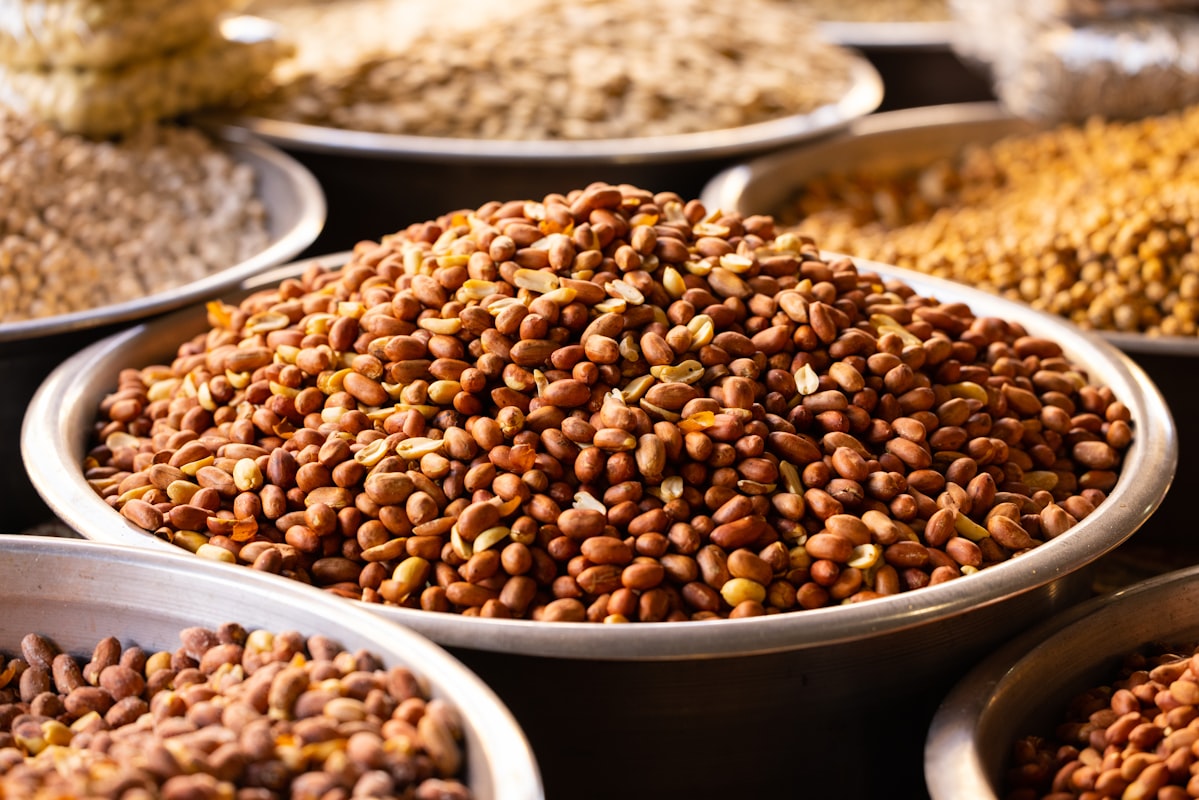
Legumes (Lentils, Beans, Chickpeas)
Plant-based proteins with excellent mood-supporting micronutrients: folate, magnesium, and iron. Provide 15–18g protein per cooked cup plus fibre for sustained digestion. Combined with whole grains, create complete amino acid profiles. More economical than animal proteins.
- Folate for mood synthesis
- Magnesium for GABA
- Sustained energy release
Greek Yogurt & Cottage Cheese
High-protein dairy with casein and whey proteins. Provides 15–20g protein per serving plus probiotics supporting gut-brain axis. Tryptophan and tyrosine content supports serotonin and dopamine. Quick meal option for consistent protein distribution throughout the day.
- Gut-brain axis support
- Quick convenient option
- Mood amino acids

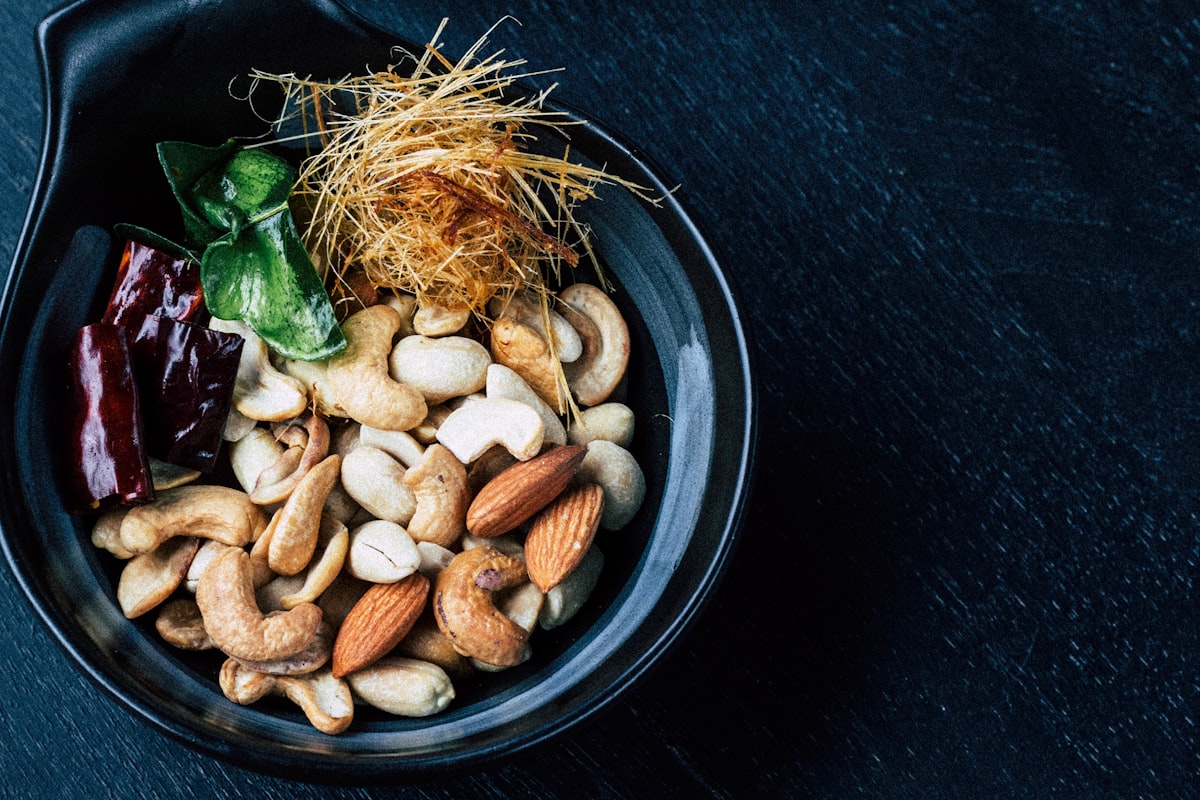
Nuts, Seeds & Nut Butters
Plant-based proteins with additional mood-supporting fats and minerals. Almonds, pumpkin seeds, and hemp seeds provide 5–8g protein per serving plus magnesium and zinc. Portable snack option for maintaining amino acid availability between meals without preparation.
- Portable between-meal option
- Magnesium and zinc
- Mood-supporting fats
Protein Timing for Mood Stability
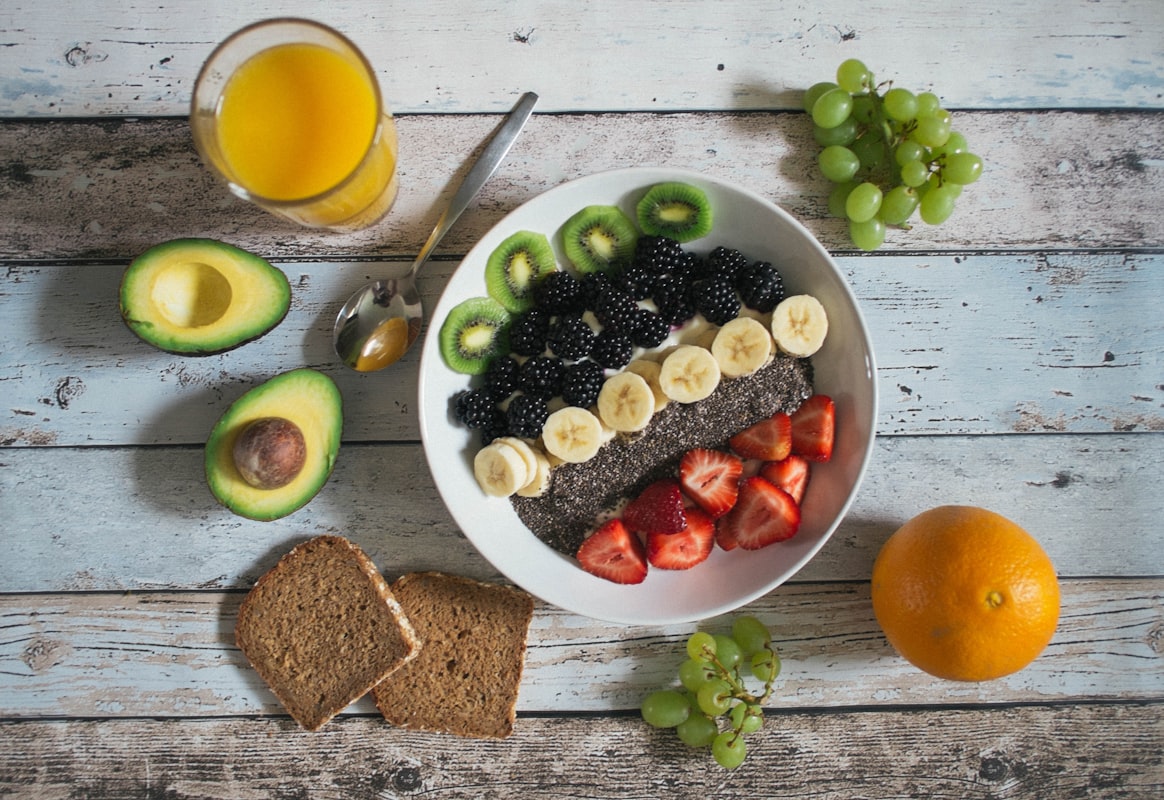
When you eat protein matters almost as much as how much you eat. Spreading protein intake across three to four meals (roughly 25–35g per meal) maintains stable amino acid levels throughout the day, preventing the mood crashes associated with meals lacking protein.
Optimal Meal Timing
-
Breakfast (7–8 AM): Protein with carbohydrates stabilizes your mood from the start. Eggs, yogurt, or fish set a steady neurochemical baseline for the day.
-
Midday (12–1 PM): A protein-rich lunch prevents the afternoon energy and mood slump. Include carbohydrates to enhance amino acid absorption into the brain.
-
Afternoon Snack (3–4 PM): A light protein snack (nuts, yogurt, or cheese) bridges the gap before dinner and prevents late-afternoon mood dips linked to low blood sugar.
-
Dinner (6–7 PM): A substantial protein meal provides amino acids for overnight neurotransmitter maintenance. Include complex carbohydrates to support tryptophan for sleep quality.
Key principle: Never go more than 5 hours without protein. Consistent intake keeps your brain supplied with the raw materials it needs to maintain emotional balance, focus, and resilience throughout your waking hours.
Protein Intake: What Happens With vs. Without
With Adequate Protein Intake
- Stable mood: Consistent neurotransmitter availability prevents emotional fluctuations and mood swings throughout the day.
- Sustained energy: No afternoon crashes or 3 PM fatigue. Energy remains steady from breakfast through dinner, supporting emotional resilience.
- Better stress response: Your nervous system has the amino acid resources to buffer stress and recover faster from emotional strain.
- Improved focus: Dopamine and acetylcholine levels support concentration and mental clarity without relying on stimulants.
- Better sleep quality: Adequate tryptophan supports serotonin and melatonin, improving sleep depth and emotional recovery overnight.
- Long-term resilience: Consistent amino acid availability builds neural pathways supporting emotional stability and mental health over weeks and months.
Without Adequate Protein
- Mood swings: Low serotonin and dopamine production leads to feelings of sadness, irritability, and emotional unpredictability.
- Afternoon crashes: Without sustained protein, blood sugar drops trigger fatigue, anxiety, and difficulty concentrating (the 3 PM slump).
- Stress sensitivity: Your brain lacks the amino acid resources to produce stress-buffering neurotransmitters, making you feel overwhelmed by minor stressors.
- Poor concentration: Dopamine deficiency impairs focus, motivation, and the ability to complete tasks without relying on stimulants or excessive caffeine.
- Sleep disruption: Low tryptophan reduces melatonin and serotonin, causing insomnia, restlessness, and poor sleep quality that worsens mood the next day.
- Reduced emotional resilience: Over time, insufficient amino acid intake weakens your brain's ability to regulate emotions, increasing vulnerability to mood challenges.
Real Success Stories
Sarah M.
Entrepreneur
"Within 3 weeks of following Eatingmoodbalance, my anxiety decreased dramatically. I finally have stable energy throughout the day and my mood is so much more balanced. This program literally changed my life!"
James T.
Software Developer
"I struggled with depression for years. The science behind Eatingmoodbalance makes so much sense. Now I understand how food directly impacts my mental health. Best investment I've made!"
Emma L.
Fitness Coach
"As someone in fitness, I thought I understood nutrition. But Eatingmoodbalance opened my eyes to the mental health connection. My clients are seeing incredible results with mood stability!"
Take Control of Your Mood Today
Stop struggling with mood swings, anxiety, and low energy. Join thousands who've transformed their mental health through the science of nutritional psychology.
✓ No credit card required | ✓ Results in 30 days or your money back | ✓ Private & confidential
Frequently Asked Questions
Your Brain Deserves Better Nutrition
Stop feeling stuck. Start feeling balanced. Join the Eatingmoodbalance community.
© 2024 Eatingmoodbalance – VAT: GB780 4061 13. All rights reserved. | Privacy Policy | Terms of Service